The importance of website content in web design
Category: Design | Posted date: 2026-03-09 18:58:43 | Updated date: 2026-03-09 19:32:09 | Posted by: Admin
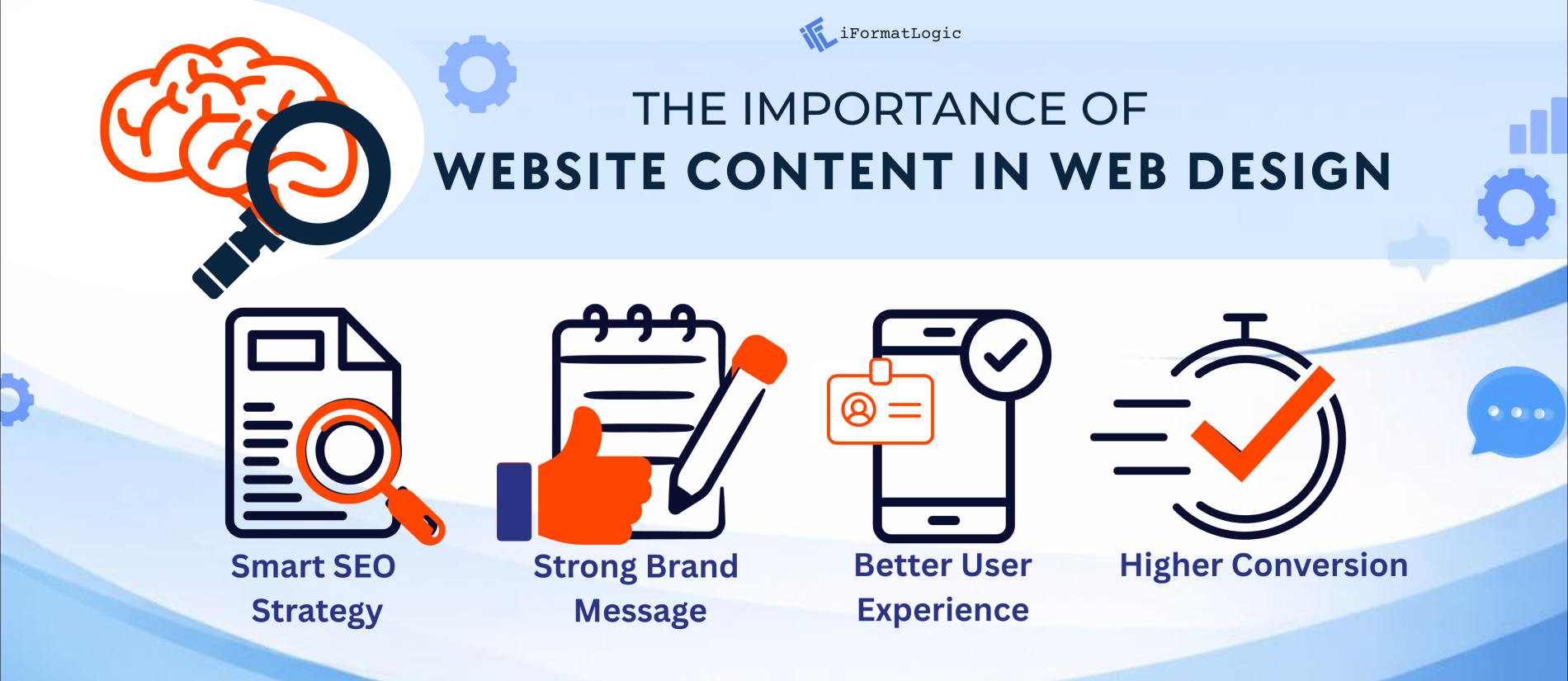
Why Website Content Matters More Than You Think
A visually appealing website can capture attention in seconds. Clean layouts, modern colors, and engaging graphics make a strong first impression. But once a visitor lands on your website, design alone isn’t enough to keep them there.
Content is what truly keeps people engaged.
If visitors can’t quickly find the information they need—such as pricing, product details, services, or booking information—they will leave. Online users expect fast answers and easy navigation. When a website feels confusing or lacks clear information, people often move on to the next option within seconds.
This means every piece of content on your website plays a critical role in whether a visitor becomes a customer or disappears.
Clear navigation menus, helpful headlines, concise descriptions, and visible call-to-action buttons all help guide users through your website. When information is easy to find and easy to understand, visitors feel more confident exploring your services and taking the next step.
But effective website content goes beyond usability.
It also builds connection and trust.
Content Builds Trust and Brand Identity
People rarely choose a business based only on appearance. They choose brands they recognize, understand, and trust.
Your website content should clearly communicate:
1. Who you are
2. What you offer
3. Who your services are for
4. Why your business is different
When visitors quickly understand your message, they are more likely to remember your brand and feel confident choosing your services.
Consistency is also important. Your messaging, tone of voice, visuals, and overall style should feel cohesive throughout the website. This consistency helps reinforce your brand identity and creates a professional experience for visitors.
For example, a luxury brand might use refined language, elegant visuals, and detailed descriptions. A local service business might use a more friendly, approachable tone with clear explanations and quick contact options.
When all elements of the website work together, visitors feel like they understand the brand—and familiarity builds trust.
Website Content and SEO: Why It Impacts Rankings
Great content doesn’t just help visitors. It also helps people find your website in the first place.
Search engine optimization (SEO) plays a major role in how websites appear in search results. Since most users only click on the first few results they see, ranking higher can dramatically increase your website traffic.
Search engines analyze your website’s content to determine what each page is about. They scan elements like:
1. Page titles
2. Headings
3. Body text
4. Image descriptions
5. Links between pages
6. Overall page structure
This is where keywords become important.
Keywords are the words and phrases people type into search engines when they’re looking for something. When those phrases appear naturally in your website content, search engines are more likely to match your pages to relevant searches.
For example, if you run a wedding planning business, useful keywords might include:
“wedding planning guide”
“wedding coordinator services”
“book a wedding venue”
“wedding planning checklist”
Using these phrases in page titles, headings, and calls to action helps search engines understand what your page offers.
However, successful SEO is not about stuffing as many keywords as possible into a page.
The most effective approach is to focus on helpful, high-quality content first.
Search engines increasingly prioritize websites that provide useful information and a positive user experience. If visitors land on your page and quickly leave because the content isn’t helpful, search engines may interpret that as a sign that your page isn’t valuable.
The best SEO strategy combines:
1. Relevant keywords
2. Helpful information
3. Clear structure
4 Content that answers real questions
When these elements work together, your website becomes easier for both people and search engines to understand.
How to Prioritize Content in Web Design
Many businesses make the mistake of focusing on design before thinking about content.
In reality, the strongest websites start with a content strategy.
Before choosing colors, fonts, or layouts, it’s important to understand what information your visitors actually need.
Start by asking a few key questions:
1. What information are visitors looking for when they arrive?
2. What problem are they trying to solve?
3. What action do we want them to take?
4. What questions might they have before contacting us or making a purchase?
5. How will the website expand as the business grows?
Answering these questions helps prioritize the most important information and ensures that your website structure supports your business goals.
When designers, content creators, and SEO specialists collaborate early in the process, the results are much stronger.
Headlines become clearer.
Calls to action become more effective.
Pages are organized logically.
And the entire website becomes easier to navigate.
This process is often called content mapping.
Content mapping involves organizing information across the website in a way that guides visitors through a logical journey—from learning about your brand to taking action.
For example:
1. A visitor finds your website through a search engine.
2. They land on a page that answers their question.
3. They learn more about your services.
4. They see a clear call to action.
5. They contact you or make a purchase.
When content is structured in this way, it not only improves the user experience but also helps search engines crawl and index your pages more effectively.
The Bottom Line
Your website content influences almost every aspect of your online success.
It directly affects:
1. User experience
2. Brand trust and credibility
3. Search engine rankings
4. Website traffic
5. Conversions and sales
Design plays an important role in making a website attractive and easy to use. But design alone cannot communicate your message or convince visitors to take action.
Content does that.
When you focus on clear messaging, helpful information, and a thoughtful SEO strategy, your website becomes more than just a digital brochure.
It becomes a powerful tool that attracts visitors, builds trust, and supports the long-term growth of your business.


